
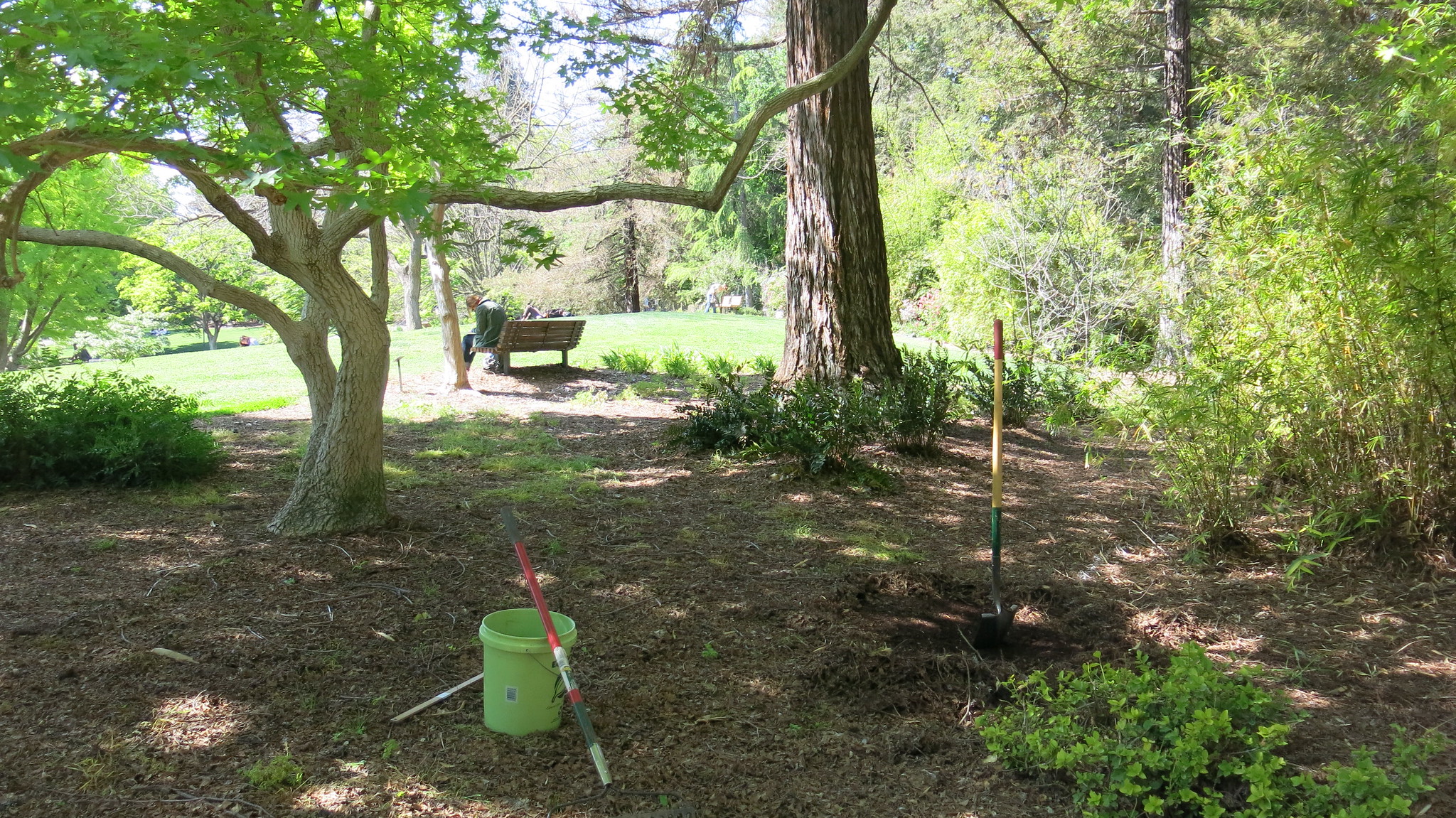
The Lost Skill of Soil Testing: How to Know Your Soil Before You Plant a Single Seed
By Lisabeth Fauble
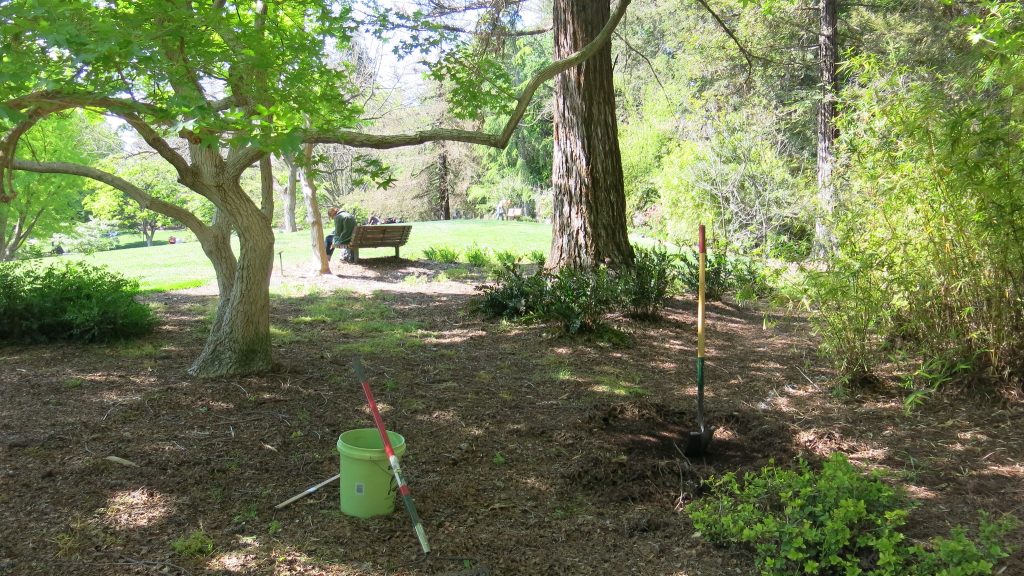
Before a single seed went into the ground, the old-time farmers did soil testing. They looked at the color of the soil after rain. They rubbed a handful between their palms. They watched where water pooled after a storm and where the grass grew thicker and greener without anyone tending it. They noticed which weeds showed up where, because weeds, they knew, were not random — they were the land telling you something.
This skill has a name in regenerative agriculture circles: land literacy. And it is, without question, one of the most quietly powerful things a grower can develop. Not because the tests are difficult — most of them require nothing more than a shovel, a jar of water, and your own two hands — but because understanding what your soil is telling you before you plant changes everything that comes after.
Here is a practical guide to soil testing: what to look for, what it means, and how to use what you find.
1. Start With Your Hands: Understanding Soil Texture
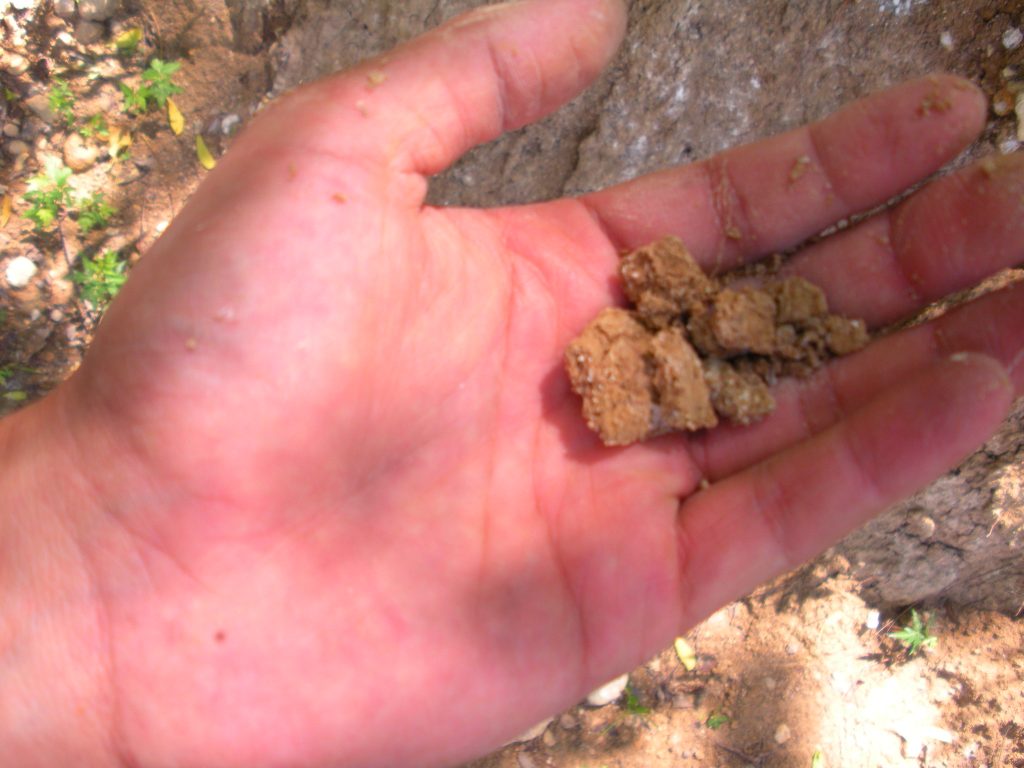
Soil texture is the ratio of three types of mineral particles in your soil: sand, silt, and clay. That ratio determines almost everything else — how your soil drains, how it holds nutrients, how easily roots can penetrate it, and how it responds to drought or heavy rain.
The good news is that you can get a reliable read on your soil’s texture with nothing but a small sample and your fingers. This is called the ribbon test, and it has been used by farmers and soil scientists alike for generations.
- The Ribbon Test: Collect a small handful of moist soil — not soaking wet, just damp. Squeeze it firmly in your fist, then open your hand. Now try to press the soil between your thumb and forefinger into a ribbon. Clay soil is sticky and will form a long, smooth ribbon of two inches or more. Sandy soil feels gritty and falls apart completely when you open your hand. Silt feels silky or floury, almost like talcum powder. Loam — the gardener's gold standard — will form a short, crumbly ribbon and hold its shape loosely without being sticky.
Here is what each texture tells you: Sandy soil drains fast and warms up quickly in spring, but it doesn’t hold water or nutrients well, so plants in sandy ground need more frequent attention. Clay soil is the opposite — it holds moisture and nutrients beautifully but drains poorly, compacts easily, and can suffocate roots if it stays waterlogged. Loam shares the best attributes of both, which is why it is celebrated in so much gardening literature as the ideal growing medium.
- If you want a more precise picture, the jar test will give you one. Fill a clear jar one-third full of soil, add water to the top, shake vigorously, and let it settle for 24 hours. Sand sinks immediately to the bottom, silt settles in the middle layer, and clay forms the finest layer on top. The relative thickness of each layer tells you your soil’s composition at a glance.
2. Watch the Water: Testing Your Drainage
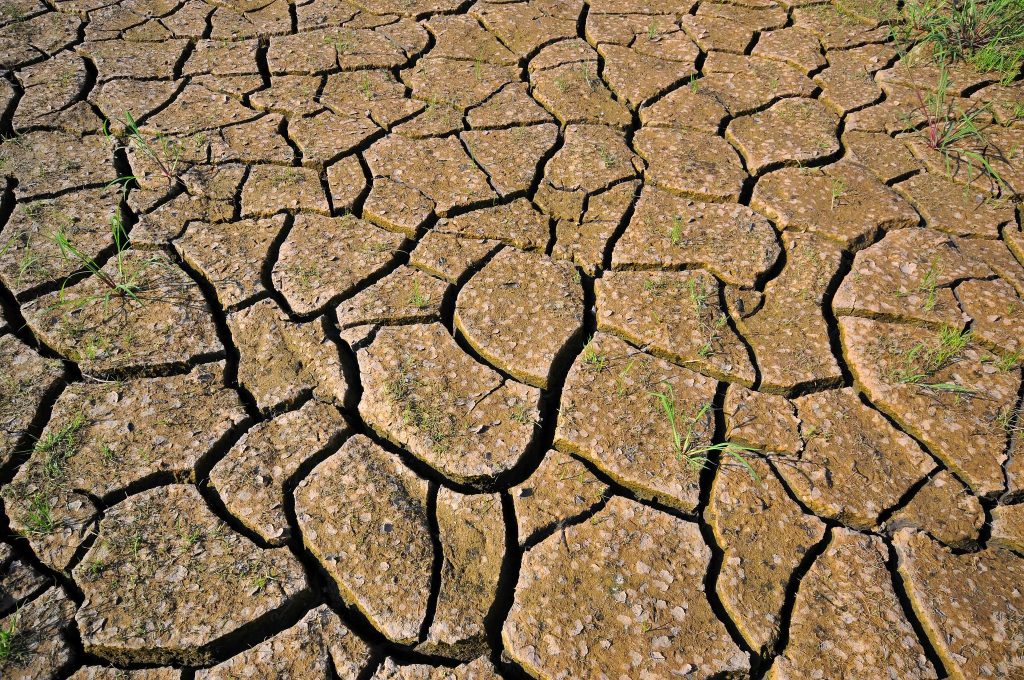
A garden that doesn’t drain properly is a garden that will fight you at every turn. Waterlogged soil deprives roots of oxygen, creates conditions where fungal disease thrives, and prevents the beneficial microbial life your plants depend on from doing its work. Conversely, soil that drains too fast loses water and nutrients before plants can use them.
The drainage test is one of the simplest and most informative things you can do on a new piece of land — and it costs nothing.
- The Drainage Test: Dig a hole roughly one foot deep and four inches wide. Fill it with water and let it drain completely. Fill it again with water, and this time, watch the clock. If the water drains within the hour, drainage is excellent — but you may need to water more frequently in dry spells. If it takes one to four hours, you have the ideal range for most garden plants. If it takes more than four hours to drain, you have a drainage problem that needs addressing before you plant.
Poor drainage can often be improved over time with the addition of organic matter, by avoiding heavy foot traffic on wet soil (which compacts it further), and through the creation of raised beds or swales that redirect water. Before you reach for a bag of sand — a common instinct — be aware that adding sand to clay soil without also adding substantial organic matter often makes the problem worse, not better, by creating a cement-like mixture. Compost is your most reliable ally here.
3. The Invisible Chemistry: Getting to Know Soil pH
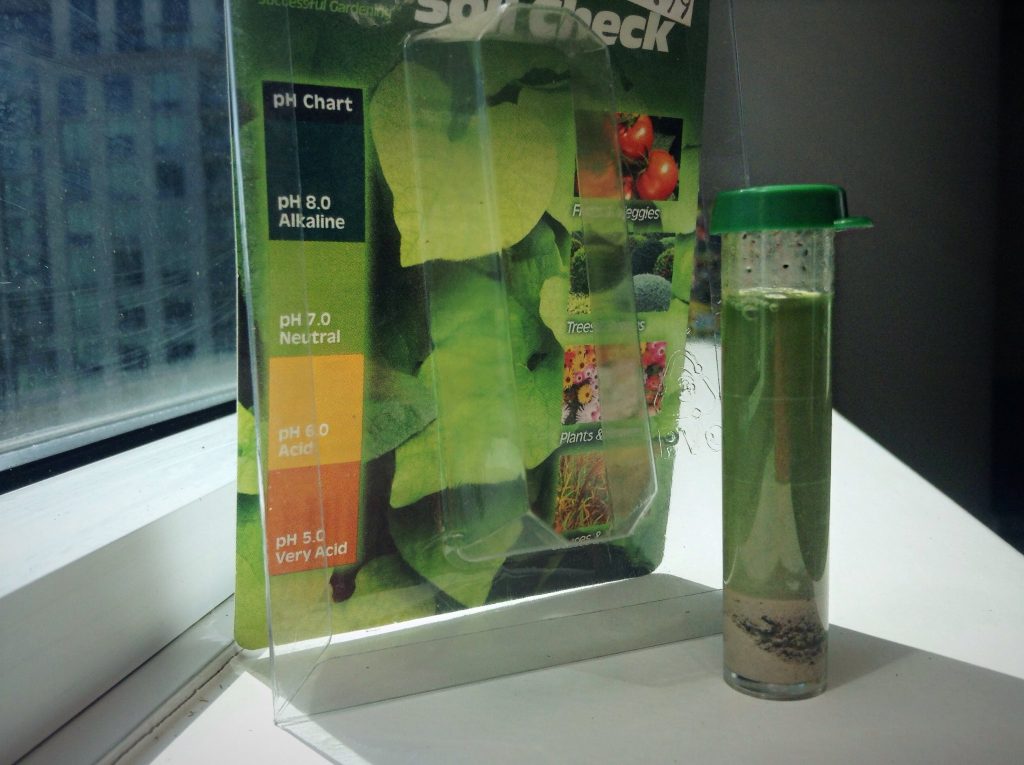
Soil pH is the measure of how acidic or alkaline your soil is, on a scale of 0 to 14. Seven is neutral. Below seven is acidic — sometimes called “sour” soil. Above seven is alkaline, or “sweet.” The reason it matters so much is simple: pH controls the availability of nutrients in your soil. You can have a soil rich in nitrogen, phosphorus, and potassium and still watch your plants struggle, because if the pH is wrong, those nutrients become chemically locked and unavailable to plant roots — no matter how much fertilizer you add.
Most garden vegetables prefer a slightly acidic to neutral soil in the range of 6.0 to 7.0, with 6.5 often cited as the sweet spot for the widest range of plants. There are notable exceptions — blueberries and rhododendrons prefer much more acidic conditions around 4.5 to 5.5, while asparagus does well on the alkaline side.
A basic pH test kit from a garden center is inexpensive and will give you a working number to start from. For a more complete picture, a lab-based soil test is worth the modest investment. University extension labs across the country typically conduct soil tests for $25 to $40, and some offer them free of charge. The results will give you pH, macronutrient levels, and often specific amendment recommendations for your growing goals.
Adjusting pH is a long game, not a quick fix. To raise pH (make soil less acidic), agricultural lime is the standard approach. To lower it, elemental sulfur works gradually over time. Neither should be applied without a test result in hand — guessing at pH amendments can move your soil in the wrong direction.
4. Dig Down: What Lives in Your Soil Tells You Everything
Here is the truth that separates regenerative soil thinking from conventional soil thinking: soil is not a growing medium. It is a living ecosystem. A single teaspoon of healthy garden soil contains more microorganisms than there are people on Earth — bacteria, fungi, protozoa, nematodes, and more — all cycling nutrients, suppressing disease, and supporting plant life in ways that science is only beginning to fully understand.
The most important members of this underground community, for the home gardener’s purposes, are earthworms and mycorrhizal fungi.
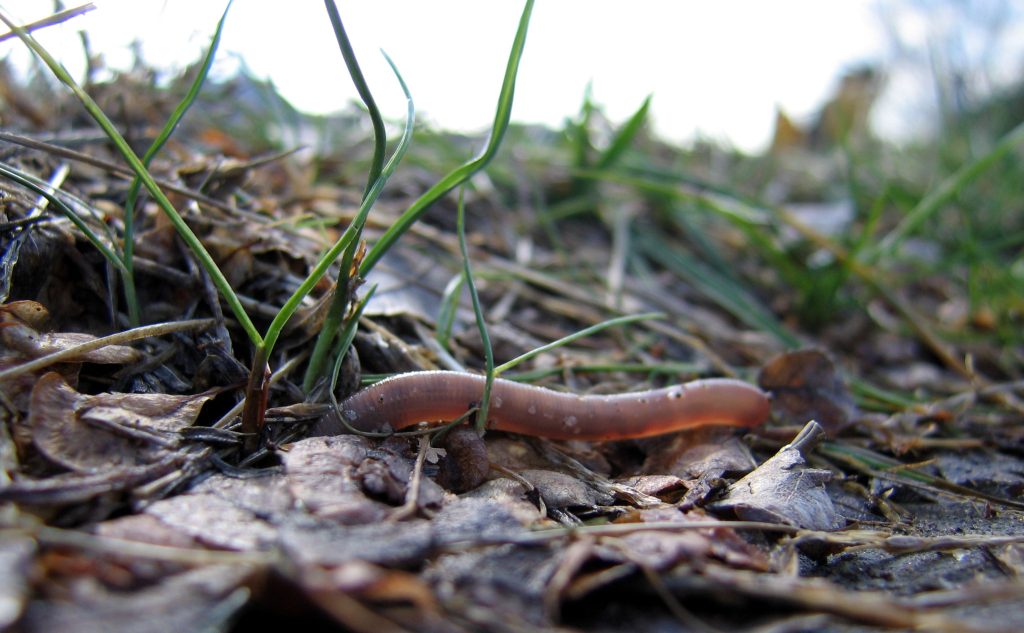
- Earthworms are the most visible indicator of a healthy soil food web. They aerate the soil through their tunneling, improve water infiltration, and leave behind castings rich in nitrogen, phosphorus, and potassium. Darwin himself documented their influence on soil fertility, and modern research confirms that their presence is among the most reliable signs of a functioning soil ecosystem. To assess yours: dig a hole roughly one foot square and one foot deep in damp soil. Remove the soil and count the earthworms you find. Ten or more earthworms indicates healthy biological activity. Fewer than that — especially in soil that looks otherwise fine — might mean soil enhancement is required for the best garden environment.
- Mycorrhizal fungi are invisible to the naked eye but arguably even more important. These remarkable organisms form symbiotic relationships with the roots of approximately 80 percent of land plant species, extending root systems far beyond what the plant could reach alone and trading nutrients for sugars from the plant. Recent research published in the International Journal of Plant Sciences found that mycorrhizal inoculation can reduce phosphorus fertilizer requirements by up to 50 percent and increase crop yield by 20 to 40 percent. They also produce a substance called glomalin that literally glues soil particles together, improving structure and water-holding capacity.
Mycorrhizal networks are fragile. Synthetic fertilizers, fungicides, and deep tillage all damage or destroy them. The shift toward regenerative practices — minimal tillage, cover cropping, and organic inputs — is in large part a shift toward protecting the underground life that feeds everything above it.
Smell Test: Pick up a handful of your soil and smell it. Healthy, biologically active soil has a distinct, pleasant earthy aroma called petrichor — caused by a compound called geosmin produced by soil bacteria. Soil that smells sour, like vinegar or mold, or has no smell at all is a sign of compromised biological health.
5. Let the Weeds Speak
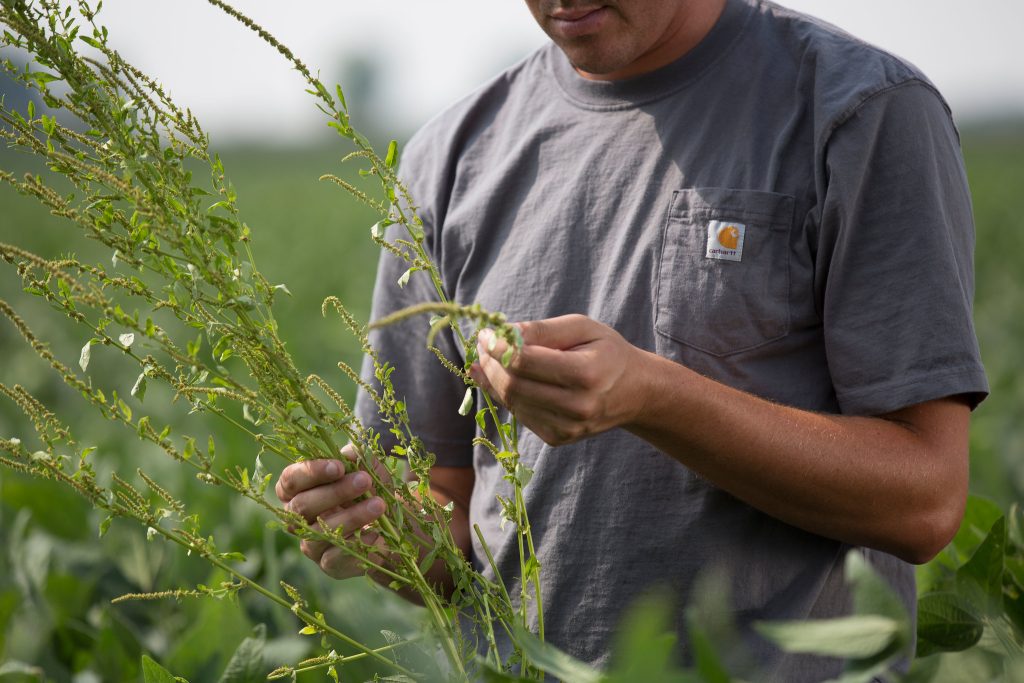
Before you pull every weed on your new plot in a fit of tidying, take a moment to read them. Weeds are not random. They are pioneer species that move into conditions where something is out of balance, and different weeds favor different conditions. Learning to identify what grows uninvited on your land is one of the oldest forms of soil literacy there is.
A few reliable indicators: Dandelions thrive in compacted, acidic soil — but they are also dynamic accumulators that draw up calcium and other minerals from deep in the subsoil, and their taproots help break up compaction over time. Plantain (the broad-leafed weed, not the fruit) also signals compacted soil with poor drainage. Nettles are one of the most positive weed indicators you can find — they prefer rich, moist soil high in nitrogen and phosphorus, which means wherever nettles grow freely, the ground beneath is genuinely fertile. Thistle, like dandelion, suggests compaction and low calcium. Clover, on the other hand, is a gift — it fixes atmospheric nitrogen into the soil and often appears where nitrogen is depleted, beginning the process of replenishing it on its own.
None of these readings are absolute, and soil health indicators should be interpreted in combination rather than in isolation. But read together — the texture test, the drainage test, the earthworm count, the pH, and the weed community — they build a remarkably complete picture.
6. When to Call in the Lab

The hands-on tests above will tell you a great deal, and for many gardeners they will be enough to get started. But for a full picture of your soil’s chemistry — its exact pH, its levels of nitrogen, phosphorus, potassium, calcium, and magnesium, and its organic matter content — a professional lab test is the most reliable tool available.
Your local agricultural extension service is the best first call. The Cooperative Extension System, operated through land-grant universities in every U.S. state, exists specifically to support growers at every scale — and their soil testing programs are often subsidized. The UC Marin Master Gardeners and the Colorado State University Landscape for Life program are two excellent examples of the resources available, and most states have equivalents. Results from a lab test typically come with specific amendment recommendations tailored to what you plan to grow.
Test before you amend. Test before you plant a large investment of seeds or transplants. And plan to test again every two to three years as your soil evolves — because it will evolve, especially if you are composting, cover cropping, and reducing tillage. Watching your soil numbers improve over seasons is one of the quiet, deeply satisfying rewards of regenerative growing.
The Ground Beneath Your Feet

Reading the land is not a complicated skill, but it is a slow one — meaning it deepens with attention over time rather than something you master in an afternoon. Every season you observe, every shovel you dig, every weed you identify instead of immediately pull adds to your understanding of what your particular patch of earth needs and what it can give.
The old farmers who built this knowledge didn’t have soil testing labs or peer-reviewed research. They had observation, patience, and generations of accumulated wisdom passed from hand to hand. We have all of that, plus the science to explain why it works. That is a powerful combination, and the soil beneath your feet is waiting for both.
— — —
Ready to go deeper? Mother Hubbard Living covers regenerative growing, natural building, holistic health, and the craft of intentional living. Subscribe at MotherHubbardLiving.com.