
5 Natural Building Materials Our Ancestors Used — That Are Making a Comeback
By Lisabeth Fauble
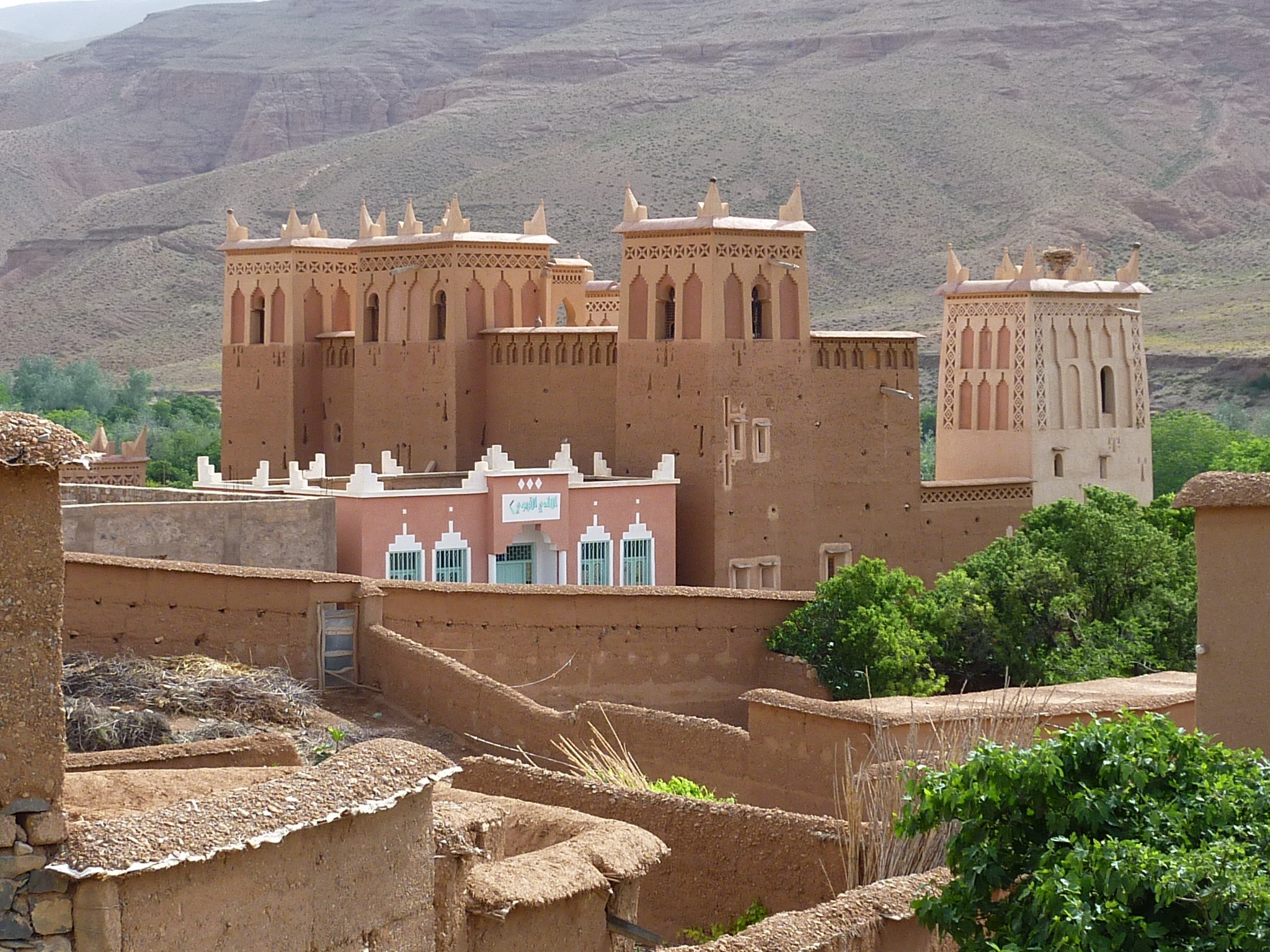
Before concrete trucks and lumber yards, people built their homes from whatever the land offered — and they built them to last. A mud-brick home in the ancient city of Ur has been standing (in some form) for 4,000 years. The oldest sections of the Great Wall of China were compressed earth, not stone. Cob cottages built in Devon, England in the 1400s are still inhabited today, drafty charm and all.Then came industrialization, and almost overnight, we traded breathable, beautiful, regionally specific homes for the standardized, energy-hungry boxes most of us live in now. But something interesting is happening. As energy costs climb and environmental costs become impossible to ignore, builders, homesteaders, and dreamers are circling back to the old ways — and finding they hold up remarkably well against modern scrutiny. Here are five ancient building materials experiencing a quiet but significant renaissance, what makes each one worth knowing about, and whether they might have a place in your build.
1. Cob: The Original Mix
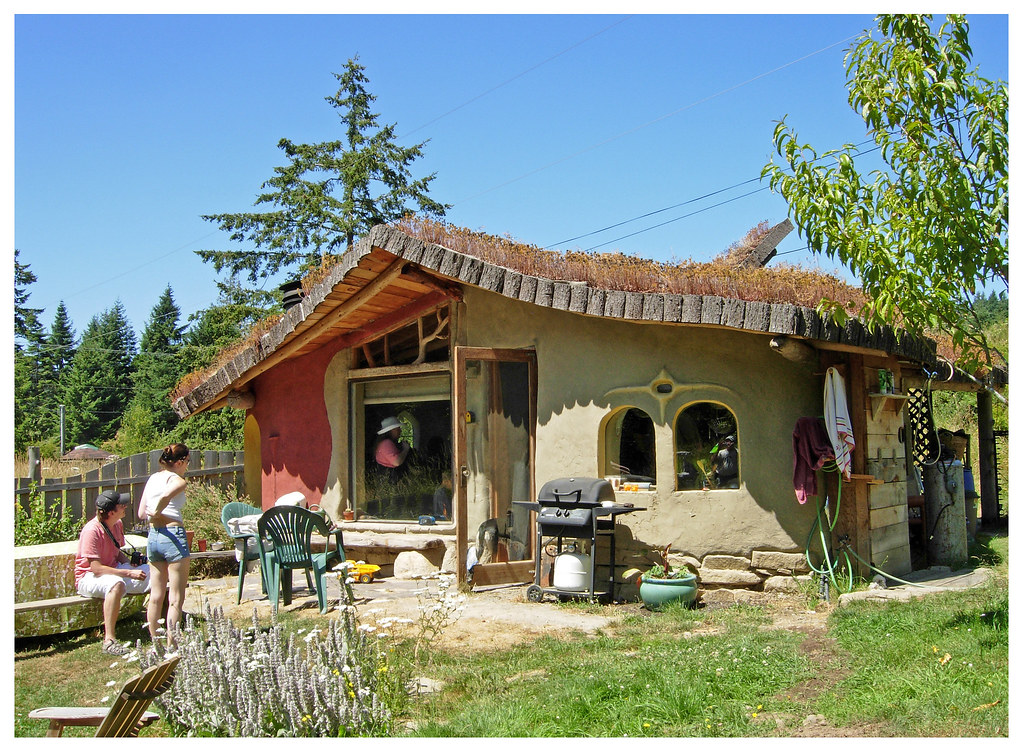
There is something almost meditative about building with cob. You’re working with subsoil, water, straw, and sometimes a little sand — materials that have been combined by human hands since the prehistoric era.
The word “cob” itself is an English term that only entered the language in the 1600s, but the technique it describes is far older. Cob structures have been found in New Zealand, Iran, Afghanistan, France, and across the British Isles, where the material became particularly popular in the 13th century. In Devon and Cornwall, many of those original homes are still standing.
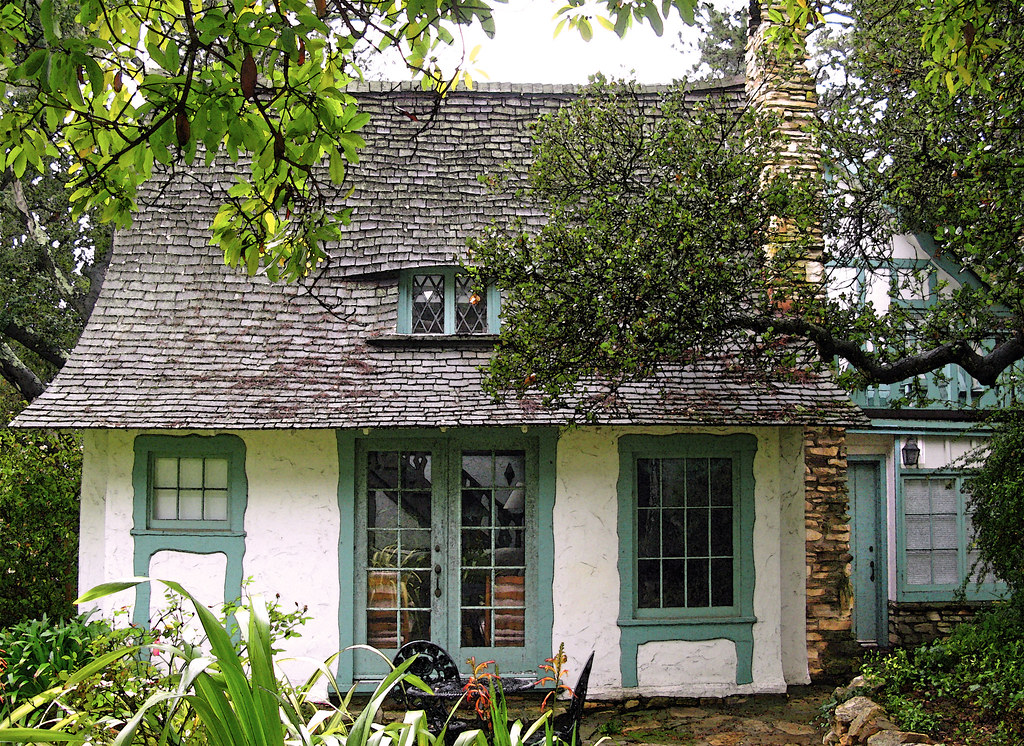
What makes cob uniquely appealing — and uniquely challenging — is that it is entirely hand-formed. There are no molds, no bricks, no modules. Builders stack and sculpt the mixture directly onto the wall, which means cob lends itself to the kind of organic, curved architecture you simply cannot achieve with conventional materials. It is fireproof, termite-proof, and resistant to seismic activity, and because the materials are typically sourced on-site or locally, the carbon footprint can be remarkably low.
The trade-off is labor. Cob is slow, hands-on work, and it requires a dry climate or careful protection from rain during and after construction. It also doesn’t meet conventional building codes in most U.S. jurisdictions without special engineering review — though that is beginning to change, in part due to advocacy from organizations like the Cob Research Institute, which has been working to have cob recognized within the International Residential Code.
Best for: Owner-builders with time, patience, and a fondness for curves. Excellent for outbuildings, studios, garden walls, and natural plasters even where a full cob structure might not yet be permitted.
2. Adobe Brick: Sun-Dried and Centuries-Tested
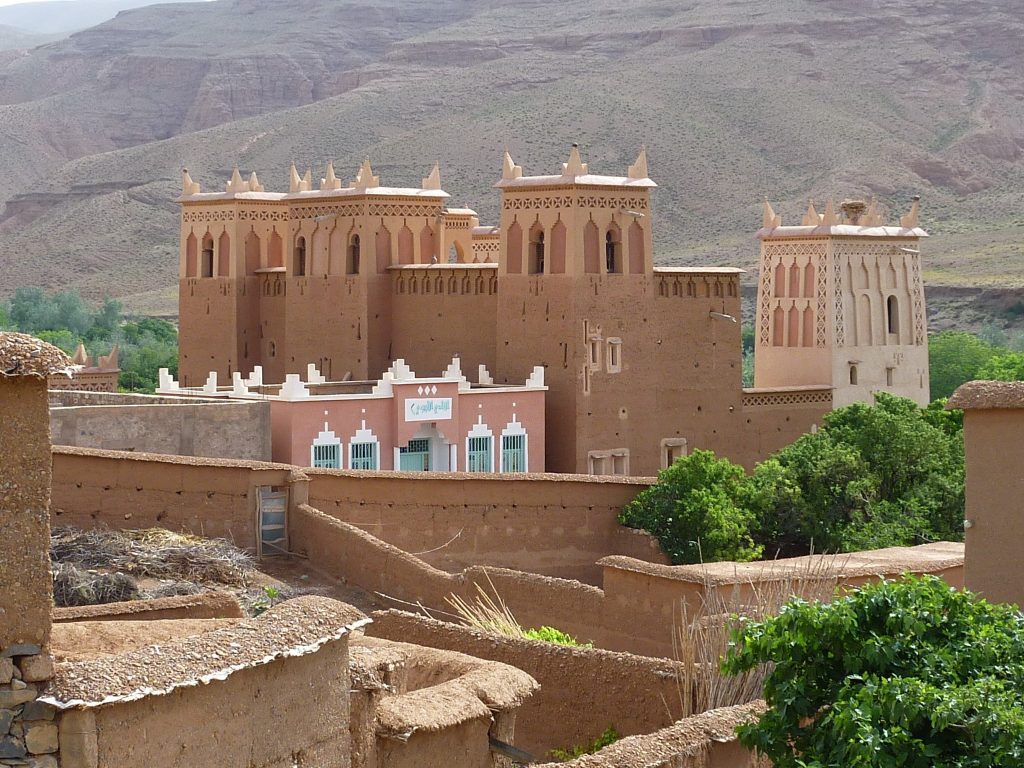
If cob is freeform sculpture, adobe is its more orderly cousin. Adobe bricks are made from the same basic ingredients — clay, sand, water, and organic fiber like straw — but are shaped into uniform blocks, dried in the sun, and stacked with earthen mortar. The result is a wall system that is modular, stackable, and surprisingly strong.
The history of adobe is staggering in scope. In the Middle East, evidence of mud brick construction dates back 10,000 years. The ancient city of Ur, in what is now Iraq, was built from adobe some 4,000 years ago.
Researchers have traced the earliest known monumental adobe architecture in the Americas to Peru — a structure dating back more than 5,100 years, according to a study published in the Proceedings of the National Academy of Sciences. The Inca, the Aztec, the Ancestral Pueblo peoples of the American Southwest — all built extensively with adobe, and many of those structures survive.
Adobe’s great strength is thermal performance. Those thick walls — typically 10 to 24 inches — absorb heat during the day and radiate it back at night, a property called thermal mass that passively moderates interior temperatures without mechanical systems. In hot, dry climates, this is not a luxury; it’s climate control that costs nothing to operate.
The main limitation is moisture. Adobe is not waterproof, and in high-rainfall regions it requires careful design — wide roof overhangs, proper drainage, and exterior plaster — to stay intact. For dry climates like the American Southwest, the durability and cost advantages are compelling: the materials are often free or nearly free, and in ideal conditions an adobe building can last for centuries with minimal maintenance.
Best for: Arid and semi-arid climates. Accessible for owner-builders. Pairs beautifully with passive solar design.
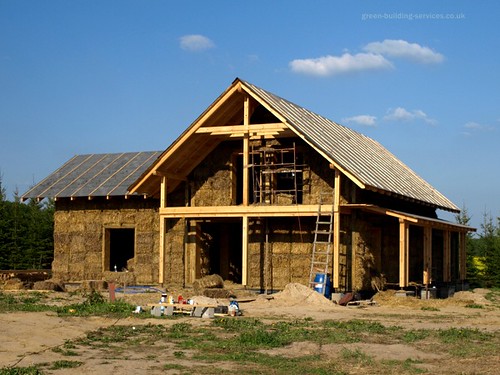
3. Straw Bale: More Than a Fairy Tale
Let’s set aside the wolf and the huffing and puffing. Modern straw bale construction bears little resemblance to its nursery-rhyme reputation, and the science behind it is genuinely impressive.
Straw bale building in the United States traces its roots to the Nebraska sand hills in the late 1800s, where automatic baling machines gave settlers a surplus of dense, uniform blocks and a shortage of timber. Those early Nebraska bale houses turned out to be warm, quiet, and durable — some are still standing.
The method faded with the rise of conventional framing but has been experiencing a revival since the 1980s, and today straw bale construction has its own section in Appendix S of the International Residential Code, adopted in nearly every U.S. state.
What makes straw bale worth serious attention is the insulation value. A standard plastered straw bale wall — about 23 inches thick — achieves an R-value of approximately R-30, which is roughly three times the performance of a conventional 2x6 stud wall. That translates to dramatically lower heating and cooling costs.
Straw bale walls are also naturally fire-resistant, excellent at soundproofing, and regulate interior humidity naturally.There is also a compelling sustainability case. Straw is an agricultural byproduct — the stalks left after grain harvest, often burned in the field as waste.
And the carbon math is striking: straw stores around 60 times more carbon than is used to grow, bale, and transport it locally.The caution: moisture management is everything. Straw bale walls that stay dry are remarkably durable. Bales that get wet and stay wet are a mold problem waiting to happen. Good design — wide roof overhangs, breathable plasters, moisture monitoring during and after construction — addresses this effectively.
Best for: Cold and temperate climates where insulation is a priority. Owner-builder friendly. Works particularly well as infill in a timber frame structure.
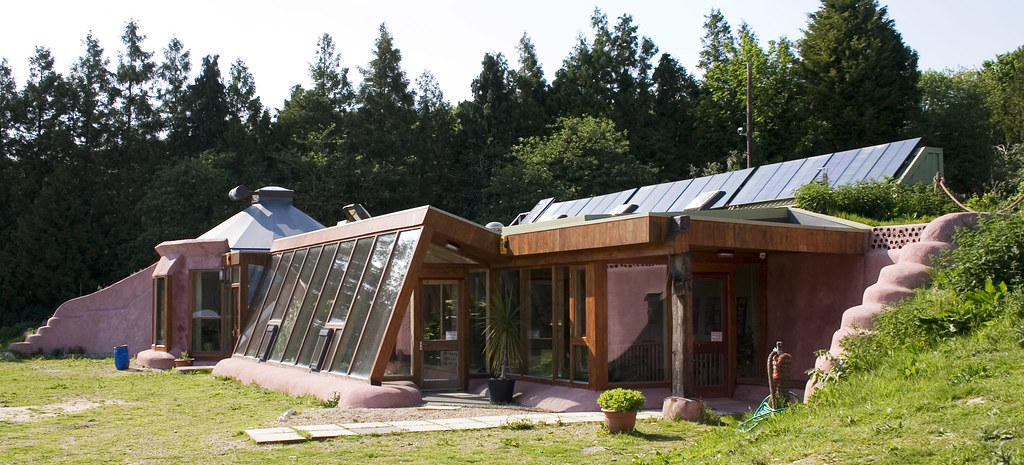
4. Earthship: The Ultimate Recycling Project
Of all the materials on this list, Earthships occupy a category of their own — part architecture, part philosophy, part act of defiance against throwaway culture.The concept was developed by architect Michael Reynolds, who graduated from the University of Cincinnati in 1969 and decamped to the high desert outside Taos, New Mexico, where he has spent more than five decades refining a vision of truly off-grid, self-sufficient living.
Inspired by news coverage of the trash crisis and the lack of affordable housing, Reynolds began experimenting with waste materials as structural building blocks. His early “can bricks” — wired bundles of discarded tin cans — evolved into something far more robust: walls built from automobile tires packed tightly with rammed earth, stacked and bonded with adobe or concrete.
A typical Earthship uses between 800 and 900 old tires.The result is a wall system with extraordinary thermal mass — the packed earth inside each tire absorbs and slowly releases heat, maintaining stable interior temperatures year-round without fossil fuel inputs.
The south-facing wall of an Earthship is typically a double-pane greenhouse that collects passive solar heat and, not incidentally, grows food. Rainwater is harvested from the roof and cycled through the building for multiple uses before being filtered for the garden.
Six core principles define a true Earthship: natural and recycled materials, passive solar heating and cooling, solar and wind electricity, water harvesting and reuse, contained sewage treatment, and on-site food production.
Reynolds has deployed this model not just in the New Mexico desert but in humanitarian contexts around the world — post-tsunami Andaman Islands, post-hurricane Honduras — where the off-grid resilience of the design matters most. As he put it in a recent interview: “People have this idea of what a house is, but this is a machine to live in, one that encounters the phenomena of the planet to give you everything you need, free.”
Best for: Radically self-sufficient builds. Off-grid desert and semi-arid climates. Anyone with access to a mountain of used tires and a tolerance for unconventional permitting conversations.
5. Rammed Earth: Stone-Solid and Strikingly Beautiful
If you have ever admired a rammed earth wall — those horizontal strata of compressed color, looking like a cross-section of canyon geology — you already understand part of its appeal. It is, aesthetically, one of the most beautiful natural materials available to builders today.
Rammed earth (or pisé) involves compressing a moist mixture of subsoil, sand, gravel, and sometimes a small amount of stabilizer between temporary formwork until it becomes dense as concrete. The formwork is then removed and moved along the wall, section by section.
The technique is ancient in its origins, appearing across civilizations in China, the Middle East, and Europe, most famously in the early sections of the Great Wall of China and in the great mosques of Africa’s Sahel region.
Like adobe, rammed earth derives its practical advantage primarily from thermal mass. The walls absorb heat during the day and release it at night, moderating interior temperatures in a way that dramatically reduces dependence on heating and cooling systems.
Rammed earth walls are also naturally fire-resistant, pest-resistant, sound-dampening, and long-lived. The USDA documented the method’s durability and affordability as far back as 1925 in Farmers’ Bulletin No. 1500: Rammed Earth Walls for Buildings, now preserved in the UNT Digital Library.
The revival has gained real momentum in recent years, driven by growing interest in sustainable architecture and by modern tools — pneumatic tampers, precision formwork — that make the process faster and more consistent than hand-tamping ever was.
Contemporary rammed earth homes have been built in Australia, Portugal, Spain, and across the American Southwest, and are increasingly appearing in high-end sustainable design circles as clients discover that “natural” and “beautiful” are not in conflict.
The challenges: rammed earth construction requires careful soil testing to confirm the right composition, and in earthquake-prone regions or very wet climates, engineering adaptations (rebar, external insulation, drainage detailing) are typically needed.
Best for: Dry to semi-arid climates. Pairs especially well with contemporary sustainable architecture. Strong structural performance with the right engineering.
What These Materials Share
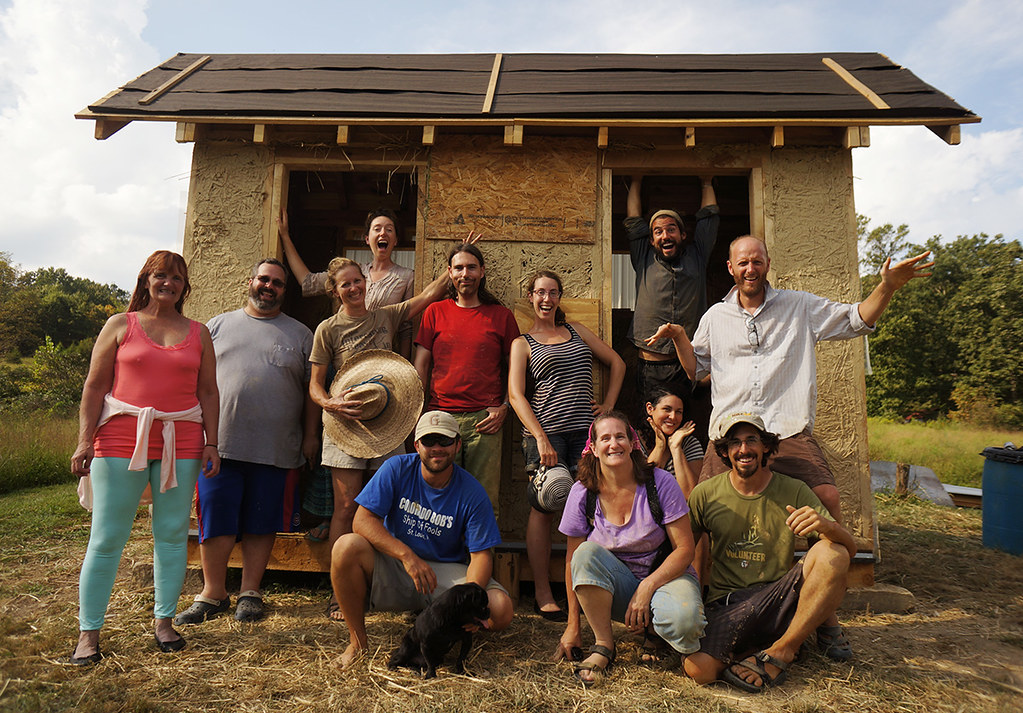
Looking across these five very different traditions, a few common threads emerge. All of them use materials that are local, abundant, and low-energy to produce. All of them take time — they are not fast builds, and they reward patience and craft over speed and convenience. And all of them create structures with a quality that is genuinely hard to put into words: a sense of weight, of presence, of belonging to the land they were built on.
That is not nostalgia. That is good building.The good news for anyone curious about exploring these methods: resources have never been more accessible. Organizations like the Natural Building Alliance, Earthship Biotecture, and the Carbon Smart Materials Palette offer deep dives into each method. Owner-builder workshops in cob, adobe, and straw bale are held regularly across the country. And a growing body of practitioners — architects, engineers, code advocates — are working to make these materials not just possible but permitted.
The cupboard is far from bare. Our ancestors left us something worth retrieving.
Have you built with any of these materials — or are you dreaming of it? We’d love to hear your story. Get in touch at MotherHubbardLiving.com.